




 Tiếng Việt
News
Mid-Term Changes in Risk: Has Your Insurer Been Notified?
Your property insurance was built around the factory you had on the day you bought it. Twelve months is a long time in a working plant. Here is how mid-term changes in risk can affect your cover, and the three questions that keep your policy in step with your business.
Key Takeaways
- Changes made during the policy period can alter the risk your insurer assessed at inception.
- Rooftop solar installation and repair or renovation works are two of the most common triggers today.
- Not every change affects cover. For material changes, speak to your broker early and obtain the insurer’s clear confirmation.
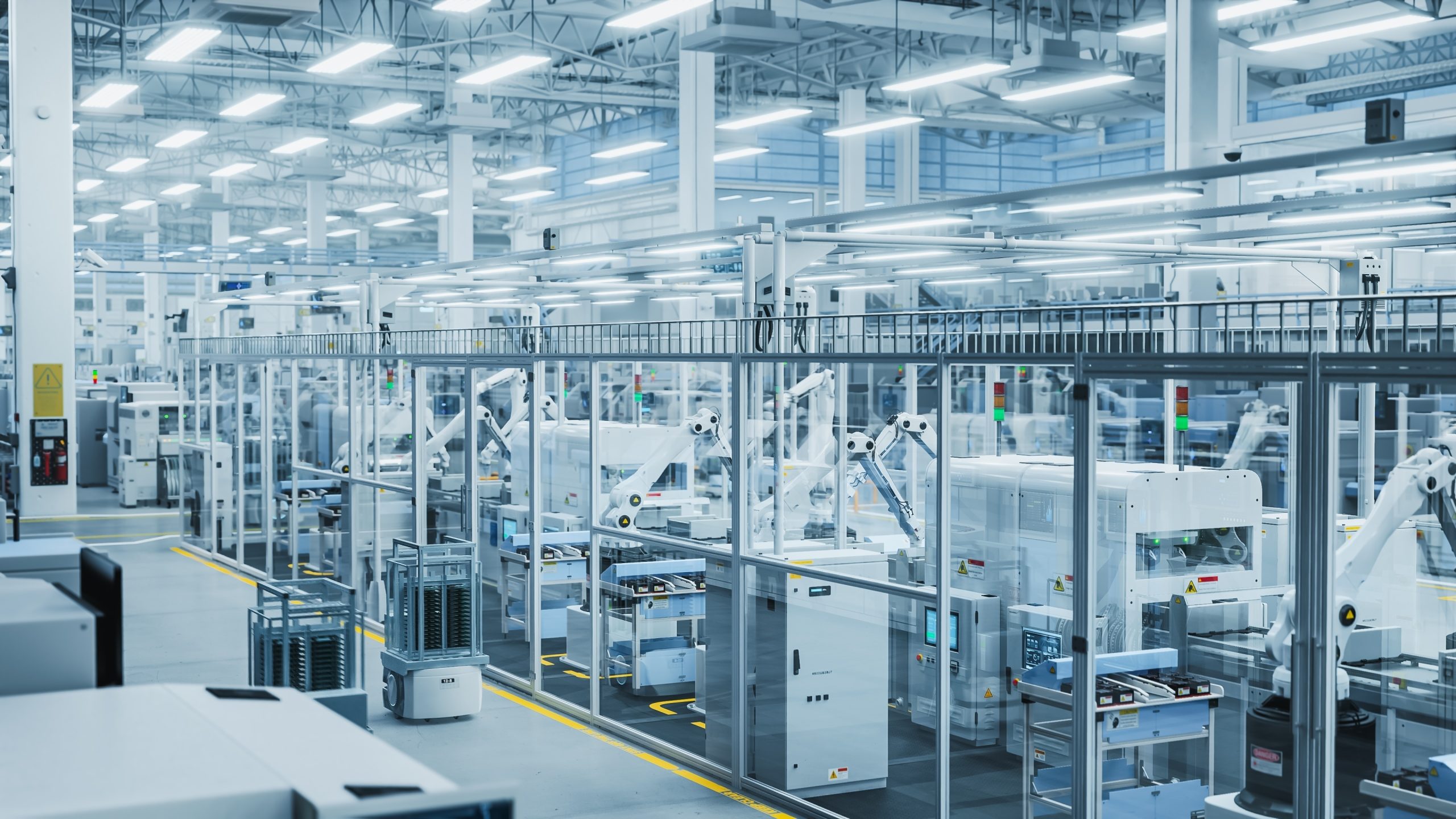
A property insurance policy is typically placed for 12 months. A factory rarely stands still for that long. Equipment is added, roofs are repaired and space is put to new use, and each decision makes sense for the business.
Your insurer, however, accepted the insurance on the risk it was shown at inception. When the factory changes in a way that affects fire, explosion or operational risk, that picture can drift away from reality and, with it, potentially the scope of your cover. This is what we call a mid-term change in risk. Whether it must be notified to the insurer, and how, is set by the terms of your policy.
Why mid-term changes in risk deserve attention
Most businesses think about their insurance at two moments: at renewal, and after a loss. A change in risk during the policy period sits between the two. It rarely feels like an insurance event, which is exactly why it is easy to miss.
Two situations are coming up more and more often in factories today.
Rooftop solar installation
Many factories are turning to rooftop solar to reduce electricity costs, a sound business decision. Adding panels, mounting structures and electrical equipment can nevertheless affect the roof structure and introduce additional electrical, fire and water-ingress risks.
The picture becomes more complex when the roof is leased to an outside party that installs and operates the system. If that system causes a fire or damages the factory, who is responsible? Does the current policy respond to that loss?
Questions like these are best clarified with the insurer before the system goes live.
Repairs and renovation works while the factory keeps running
Roof repairs, electrical upgrades and building renovations are often carried out while production continues.
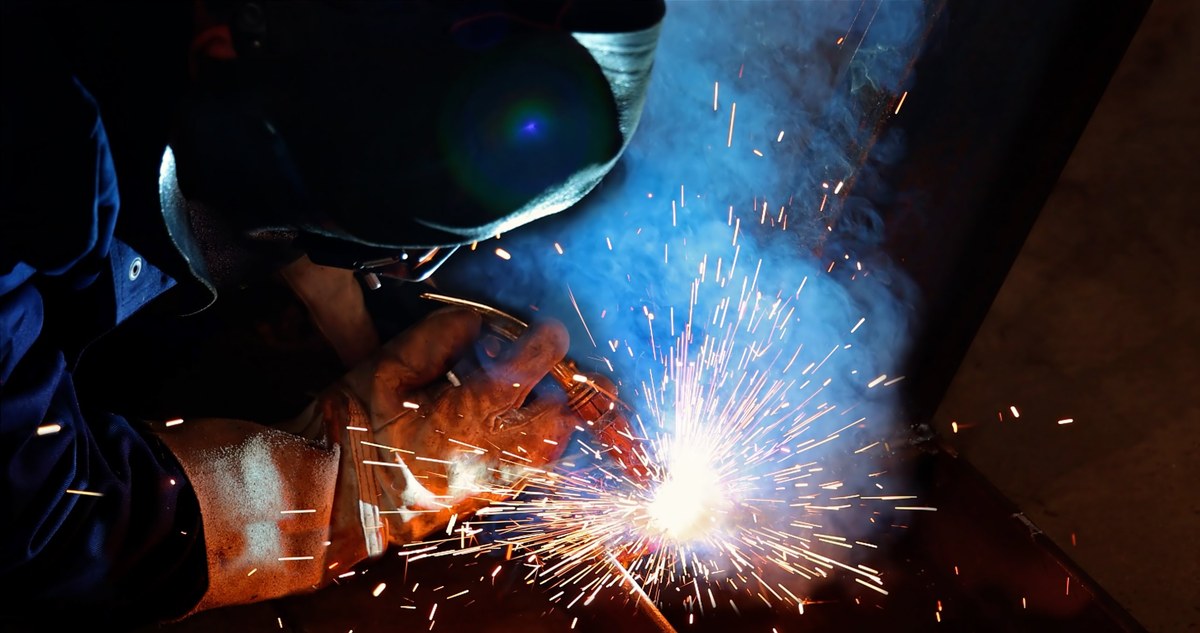
Hot work such as welding and cutting, electrical connections, roof replacement or structural demolition can start a fire that spreads well beyond the work area. Imagine a contractor starting a fire during roof repairs, with the machinery and stock below damaged as a result.
Would the factory’s property insurance respond? Or should the contractor be held liable? The time to clarify is before the works begin.
Other changes that may alter your risk profile
Beyond these two situations, other material changes include:
- Introducing production processes that use flammable chemicals or solvents.
- Changing the use of a factory or warehouse to store goods with a higher fire or explosion risk.
- Major renovation works, or a prolonged shutdown of the fire protection system.
- Subletting the premises, or a prolonged suspension of production.
Changes like these can leave the risk profile materially different from the one the insurer assessed at inception.
Mid-term changes in risk: what should your business do?
In our experience, when a factory undergoes a significant change, the business should speak to its broker early to determine whether the insurer needs to be notified and the policy updated.
Not every change affects cover. For material changes, it is best to notify the insurer as required under the policy terms and to obtain its clear confirmation.
Three questions are enough to start with:
- What has changed significantly since the insurance was purchased?
- Have the broker and the insurer been informed?
- Has the insurer confirmed continued cover for those changes?
Renewal, or worse, a loss, is not the moment to discover that changes at the factory were never recorded by the insurer.
Frequently asked questions
Do I always need to notify my insurer of a change at the factory?
Not every change affects cover. Whether notification is required depends on the terms of your policy and on how material the change is. For significant changes, speak to your broker early so that you can decide together whether the insurer should be notified.
What is a material change in risk?
In general, it is a change that could make the risk different from the one the insurer assessed when it accepted the insurance, such as a new fire hazard, a change in how the premises are used or a prolonged shutdown of fire protection. Whether a specific change is material depends on the policy and the circumstances.
Why ask the insurer to confirm continued cover?
A clear confirmation shows that the insurer is aware of the change and has agreed to continue the cover on the terms stated. It removes uncertainty about the position before a loss occurs rather than after.
Talk to the TIS team
If your business has changed since the policy was placed, TIS Vietnam Insurance Broker is ready to help you review those changes and re-check the scope of your cover with your insurer.
This article is general information only and does not constitute advice on any specific policy. The scope of cover depends on the terms and conditions of each policy.